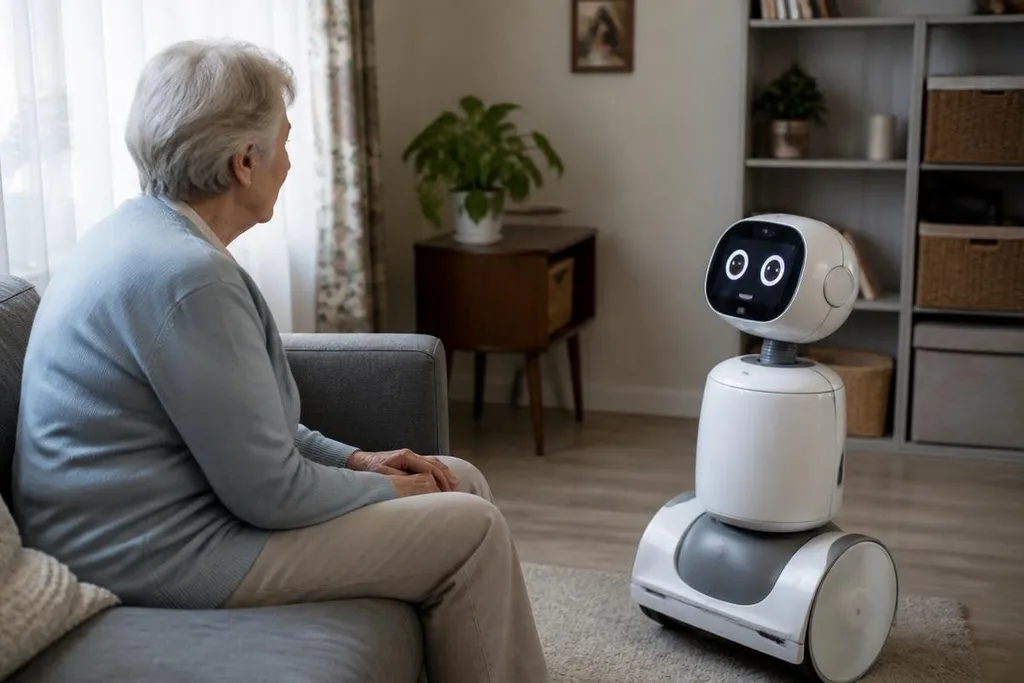
A robot with eyes, a soft voice, or a small head tilt can change how people judge its actions. That design may make a system easier to use, but it can also push people to trust the robot more than its real limits justify.
Quick read
- Human-like signals can make warnings feel less serious.
- A robot should explain what it sensed, decided, and cannot do.
- Buyers need tests for behavior under pressure, not only smooth demonstrations.
How the design changes human judgment
People read meaning into movement, sound, and timing. A robot that turns toward a speaker can seem attentive. A pause before an answer can sound thoughtful. A warm voice can make a request feel polite, even when the system has no sense of care or duty.
The hardware may be doing something simple: a camera detects a person, software selects a response, and a speaker plays a recorded or generated voice. The human response can be far more complex. Someone may wait longer for a robot to finish, accept a risky instruction, or assume the machine understands a situation it has only partly detected.
That gap matters in homes, care settings, schools, and workplaces. A person deciding whether to step into a robot’s path needs a clear signal about movement and risk. A friendly expression cannot replace a visible stop state, a warning light, or a rule that keeps the robot away from people.
The main risks
Manipulative design can weaken a warning by wrapping it in social cues. A robot that says “please move” in a gentle voice may sound less urgent than a sharp alarm, even when the same obstruction could stop a task or cause contact.
The reverse can also happen. A robot with a worried voice, lowered head, or repeated request may make a person feel responsible for its success. That pressure can lead someone to skip a safety check, share more personal information, or keep working after they should stop.
Children and people receiving care may face a larger risk because they can treat the robot as a social partner. A system that asks for secrets, favors, or private details crosses a line even if the request appears harmless. The design should make the robot’s role plain: it is a machine carrying out set tasks, not a friend who can feel hurt or grateful.
The next check is evidence from a named robot, company, and test, rather than a claim about friendly behavior. Dated reports on robot behavior can tie those details to the design choices that follow, including what the machine says, asks for, and lets a person control.
What a responsible design shows
Good design gives people enough information to make their own decisions. The robot should show when it is sensing, when a person is controlling it, and when an automated system has selected the next action.
Physical signals should carry more weight than social ones. A red stop light, a clear tone, and a visible brake state tell people what the robot is doing. Eye contact and a pleasant voice may help communication, but they should never be the only warning before motion.
The same rule applies to failure. If a robot loses sight of an object, reaches a blocked route, or receives an unclear command, it should state the problem in plain words. “I can’t see the tray” gives a person something to fix. “Please help me” shifts the burden onto emotion.
Companies also need to show the system in awkward conditions. A smooth demo says little about how the robot handles a crowded room, a delayed command, a blocked sensor, or a person who says no. Those cases reveal whether the design supports a safe choice or tries to keep the task moving.
A buyer’s check before approval
Use these checks before you place a robot near staff, children, patients, or customers:
- Mute the charm: test the robot with its face, voice, and social gestures turned off.
- Read the warning: ask people what they think the robot will do next, then compare their answer with the actual control state.
- Test refusal: give the robot a request that conflicts with a safety rule and check whether it stops without pressure.
- Check the fallback: block a sensor or route and record the exact message the robot gives.
- Watch the operator: see whether people skip checks because the robot sounds urgent, upset, or confident.
- Record the limits: write down tasks the robot cannot complete without human control.
I'd reject any robot that needs people to feel guilty before they follow a safety rule.
The practical test is plain: remove the social cues, repeat the task, and compare the decisions people make. If trust drops sharply when the friendly voice disappears, the design may have been carrying more of the safety burden than the robot’s hardware and software could support.